Description
BPC-157 (Body Protection Compound-157) is a synthetic peptide that has attracted attention in research for its potential effects on tissue repair and healing. It is not approved as a medicine by major regulatory agencies such as the U.S. FDA or the European Medicines Agency for treating any condition, and products sold as BPC-157 are often marketed for research use rather than as approved therapeutic products.
Product Description
BPC-157 is a laboratory-produced peptide consisting of 15 amino acids, derived from a sequence found in a naturally occurring protein in human gastric (stomach) juice. It is commonly supplied as a lyophilized (freeze-dried) powder or as a pre-mixed solution for research applications.
Researchers have investigated BPC-157 in animal and preclinical studies for its potential role in supporting:
Soft tissue repair
Tendon and ligament recovery
Muscle regeneration
Gastrointestinal tissue healing
Blood vessel formation (angiogenesis)
Reduction of inflammation in experimental models
Although these findings are promising in laboratory settings, there is currently insufficient high-quality clinical evidence to confirm these benefits in humans.
Key Features
Synthetic peptide composed of 15 amino acids
High purity (often advertised as ≥98% by research suppliers)
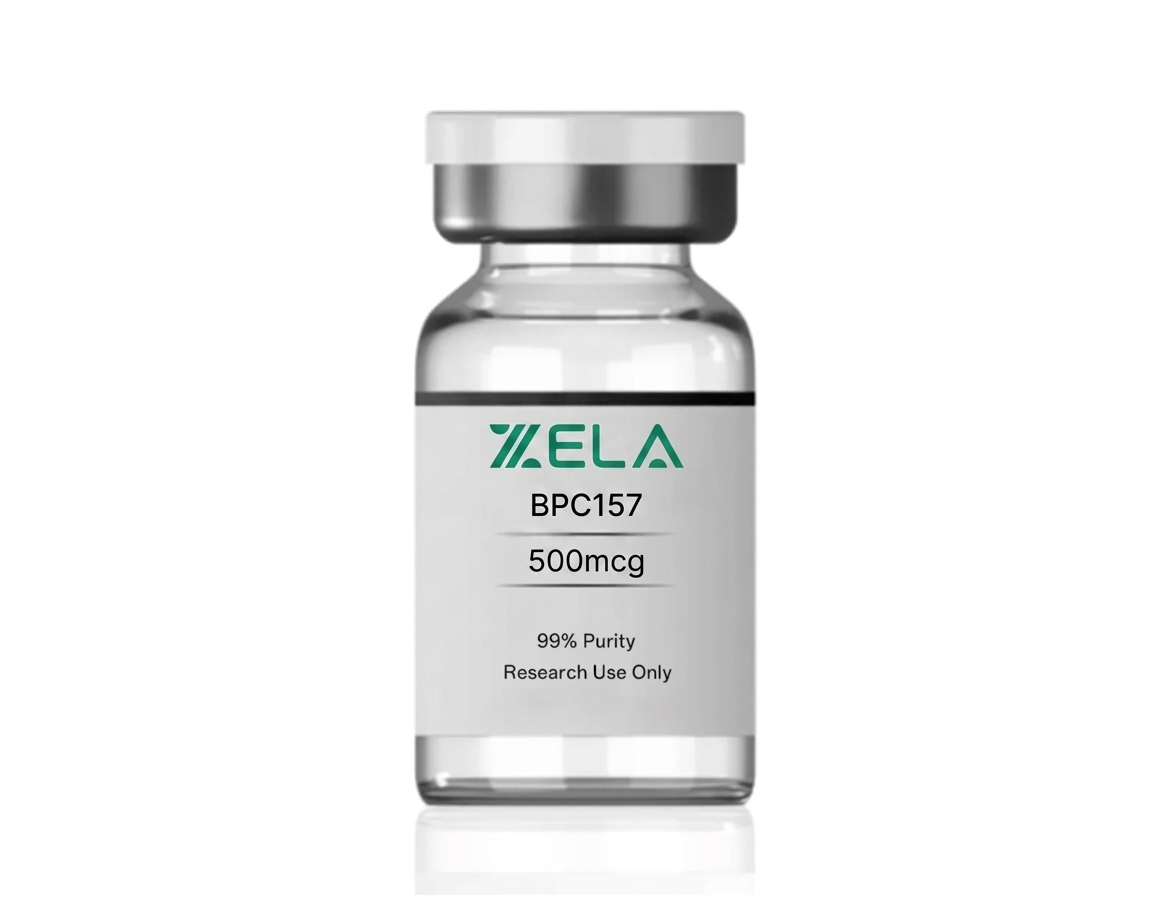
Typically available as freeze-dried powder in sterile vials
Common research quantities include 2 mg, 5 mg, and 10 mg
Intended for laboratory and scientific research
Requires refrigeration after reconstitution (storage recommendations vary by supplier)
Typical Packaging
A research product may include:
One sterile vial containing lyophilized BPC-157
Certificate of Analysis (COA) from the manufacturer or third-party laboratory
Product lot number and expiration date
Storage instructions
Research Applications
Scientists have studied BPC-157 in areas including:
Tendon and ligament injury models
Muscle recovery research
Gastrointestinal ulcer models
Nerve regeneration studies
Inflammation and wound-healing mechanisms
These are research applications and should not be interpreted as established medical uses.
Storage
Typical supplier recommendations include:
Store lyophilized peptide refrigerated (2–8°C) or frozen for longer-term storage.
After reconstitution, keep refrigerated and use within the timeframe specified by the manufacturer.
Avoid repeated freeze-thaw cycles.
Important Safety Information
BPC-157 is not approved as a prescription medication in many countries.
Human safety, effectiveness, optimal dosing, and long-term risks have not been established through large clinical trials.
Product quality can vary substantially between suppliers because these products are often not manufactured under the same standards as approved medicines.
Anyone considering BPC-157 for personal use should discuss it with a qualified healthcare professional, particularly if they have existing medical conditions or take other medications.
Summary
BPC-157 is an experimental synthetic peptide primarily known from preclinical research investigating tissue repair and regenerative processes. While laboratory and animal studies have generated interest, there is currently no conclusive evidence demonstrating that BPC-157 is safe or effective for treating injuries or diseases in humans, and it remains an investigational compound rather than an approved therapeutic product.

 BRL R$


Reviews
There are no reviews yet.