Description
How This Works
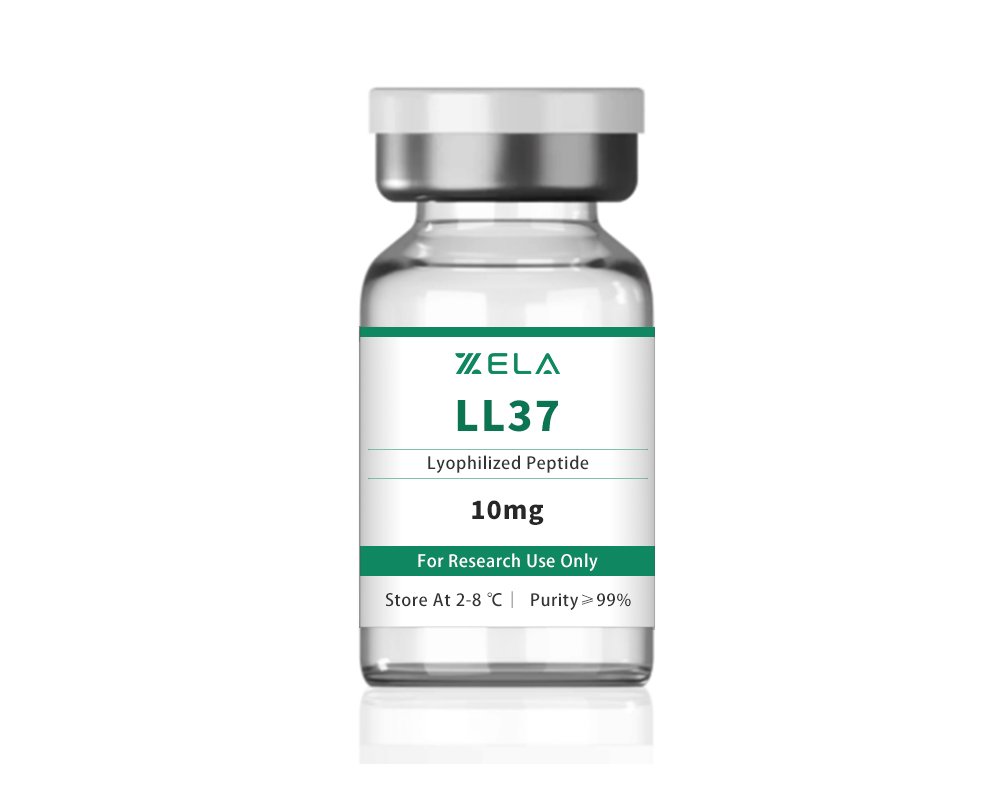
LL-37 exerts both direct and indirect antimicrobial effects. Its amphipathic, cationic α-helical structure (net +6 charge) allows it to preferentially bind and disrupt negatively charged microbial membranes[2]. Beyond direct killing, LL-37 modulates host immunity: in murine sepsis models, it induced neutrophils to release microvesicles rich in antimicrobial proteins, lowering bacterial burden and improving survival[3]. LL-37 can also bind bacterial lipopolysaccharide (LPS) and block its interaction with CD14/TLR4, reducing endotoxin-triggered TNF release and neutrophil apoptosis[2]. These combined mechanisms help explain its potential in infection control and tissue-repair contexts.
Potential Benefits & Side Effects
Observations from preclinical and clinical literature.
- In chronic venous leg ulcers (which often lack endogenous LL-37), topical treatment with synthetic LL-37 significantly accelerated healing rates compared to placebo[4].
- In diabetic foot ulcer trials, LL-37 cream improved granulation tissue formation and wound closure[5].
- Broad-spectrum antimicrobial action helps clear infections; in experimental sepsis models, LL-37 treatment reduced bacterial loads and mortality[3].
- Generally well tolerated; occasional mild injection-site reactions (redness, itch) may occur with subcutaneous administration.
Lifestyle Factors
Complementary strategies for best outcomes.
- Optimize vitamin D status, as vitamin D upregulates endogenous cathelicidin/LL-37 expression[10].
- Support wound healing with adequate protein intake and micronutrient sufficiency (zinc, vitamin C).
- Maintain proper wound hygiene and dressing protocols if using for tissue-repair goals.
- Prioritize sleep and stress management to support immune function and recovery.

 BRL R$


Reviews
There are no reviews yet.